
Uehiro Future Scientists Program Trainee Interview Vol.4
―Expanding Microglia and Dementia Research through iPS Cell Research―
Training
Meet Mr. Takuto Iida, a second-year graduate student at the Graduate School of Medical Sciences, Nagoya City University. He is currently pursuing research in the field of dementia science.
Mr. Iida's interest in a research career dates back to his childhood. He wrote in his elementary school graduation essay that his dream for the future was to become a researcher. When he was in fifth grade in 2012, Professor Shinya Yamanaka won the Nobel Prize, inspiring him to become a scientist. He recalls turning to newspapers and news reports at the time to learn more about the achievement.
“The topic was explained in a way that was easy for an elementary school student like me to understand, and it sparked a strong interest in both the potential of iPS cells and the career of a researcher,” he said.
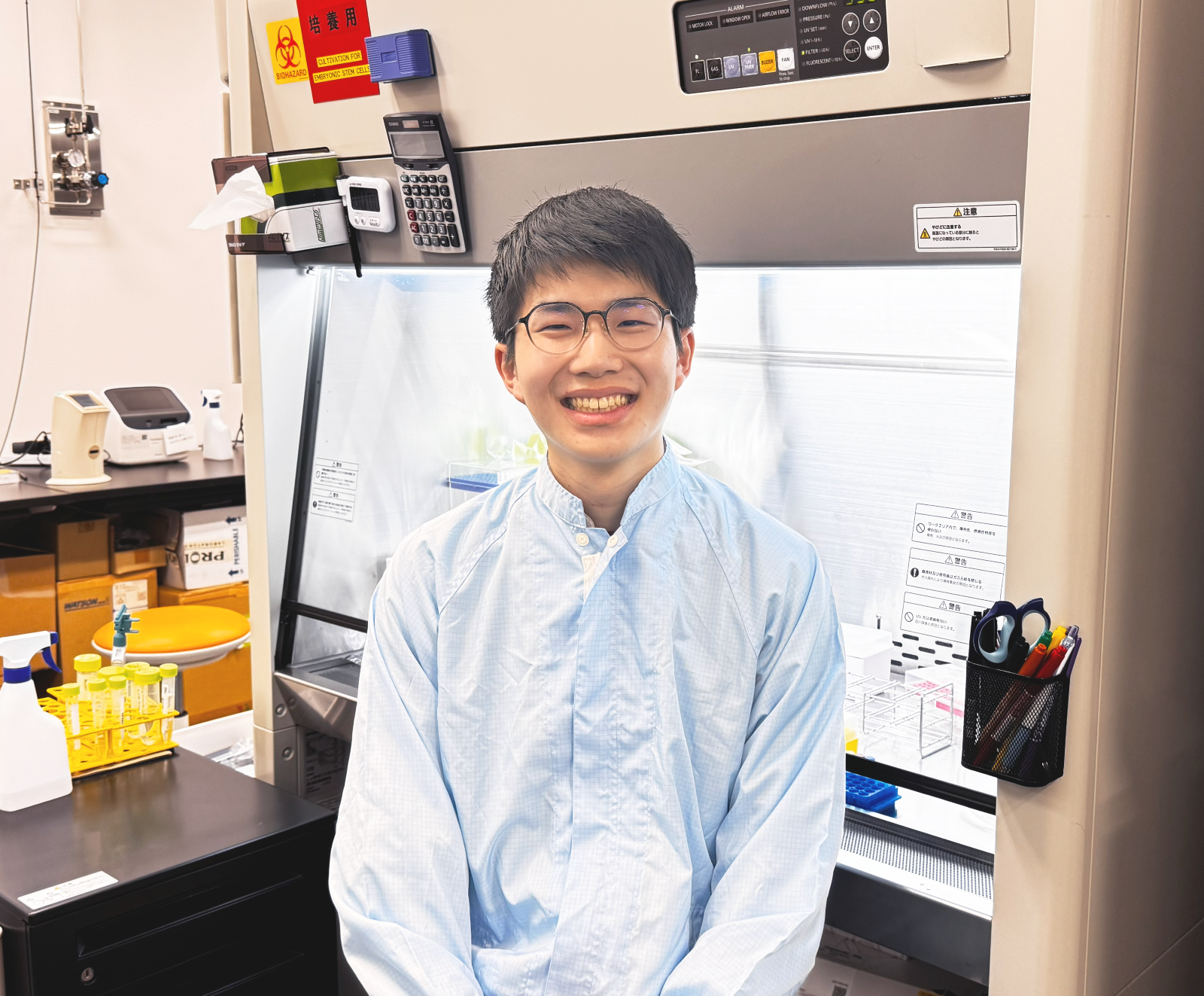
Takuto Iida
Second-year graduate student
Graduate School of Medical Sciences
Nagoya City University
Mr. Iida is a member of Professor Saito’s laboratory at Nagoya City University, which has been conducting collaborative research with the Research and Development Center at the CiRA Foundation, and he has been involved in this partnership.
Microglia, a type of immune cell in the brain, are believed to play a role in monitoring the brain and removing and breaking down substances that contribute to disease. Because of these functions, microglia have attracted considerable attention as a target for the development of new therapies for dementia. In this collaborative research project, our foundation generates microglia from human iPS cells and provides them to the Saito lab. Mr. Iida and his colleagues then transplant these microglia into the brains of mice and examine their engraftment and proliferation.
“Facilities capable of handling human iPS cells are limited, and these cells are challenging to maintain. Being able to learn and work directly with them at the Foundation, where specialists routinely handle iPS cells, was an invaluable experience. This opportunity marked a significant step forward in my career as a researcher.”
After completing his master’s program, Mr. Iida will continue his research career at a pharmaceutical company, where he hopes to further expand his path as a scientist.
“Professions that make our everyday lives more convenient are extremely important. However, I am particularly drawn to work that creates new medicines and treatments that do not yet exist. As a researcher, I want to make a positive difference in people’s lives that will last long after I am gone. That comes with great responsibility. If, at the end of my life, I can look back and think, ‘I was able to help many people live meaningful lives,’ I believe I would feel truly happy,” he added.
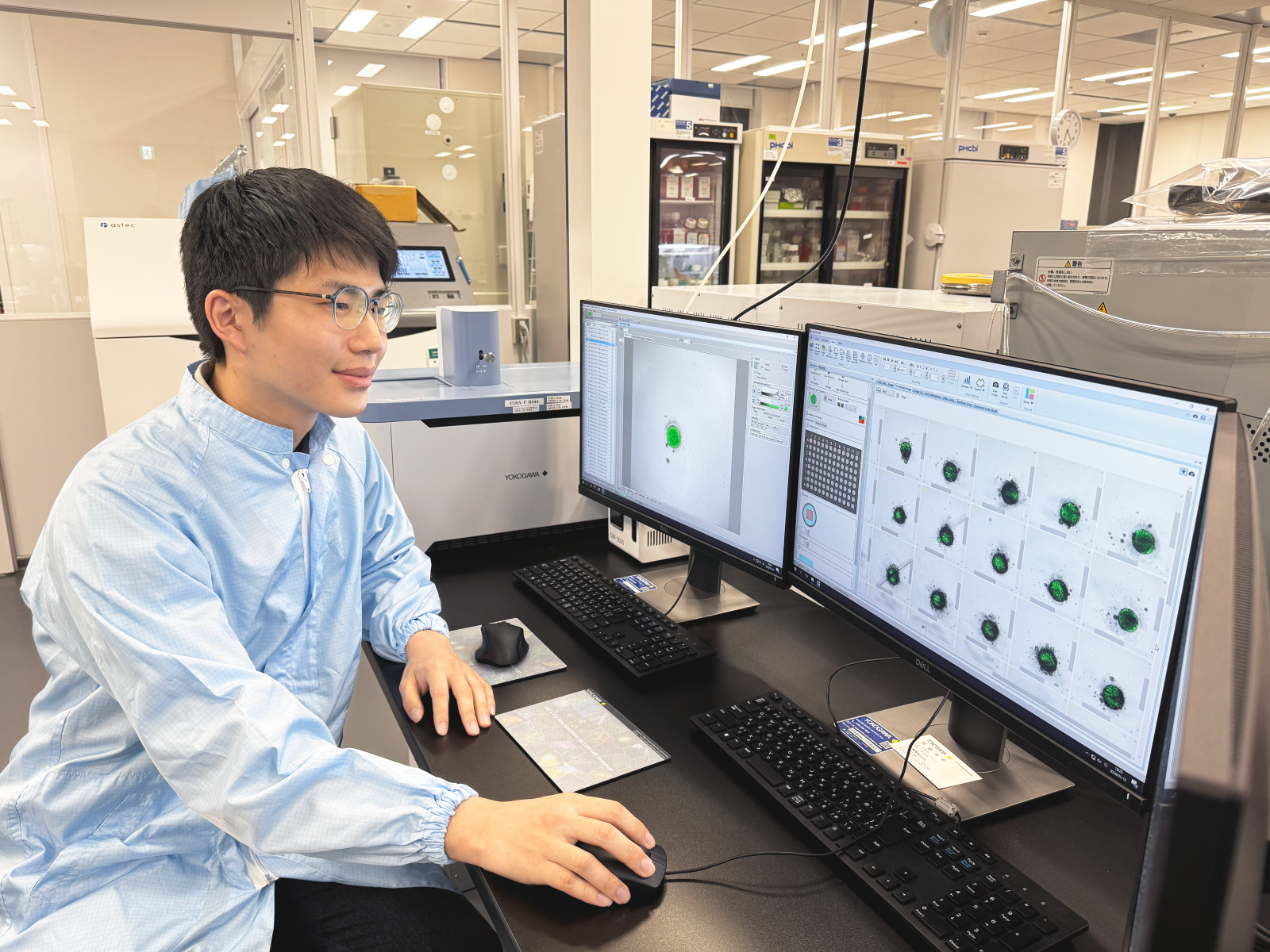
The CiRA Foundation will continue to support the career development of undergraduate and graduate students through the Uehiro Future Scientists Program.